In today’s fast-paced and uncertain economic environment, mastering personal finance is no longer optional—it’s essential. Whether you are just starting your career, running a business, or planning for retirement, building wealth and maintaining financial stability requires discipline, strategy, and consistent action.
This comprehensive guide will walk you through proven personal finance tips that can help you grow your wealth, reduce financial stress, and achieve long-term financial independence.
1. Understand Your Financial Situation
Before you can build wealth, you need a clear understanding of where you currently stand financially.
Assess Your Income and Expenses
Start by calculating:
- Total monthly income (salary, side hustles, investments)
- Fixed expenses (rent, utilities, insurance)
- Variable expenses (food, entertainment, shopping)
Tracking your cash flow helps you identify spending patterns and areas where you can cut back.
Calculate Your Net Worth
Your net worth is:
Assets – Liabilities = Net Worth
Assets include savings, investments, and property, while liabilities include debts such as loans and credit cards.
Knowing your net worth gives you a realistic snapshot of your financial health.
2. Create and Stick to a Budget
A budget is the foundation of financial success. Without it, managing money becomes guesswork.
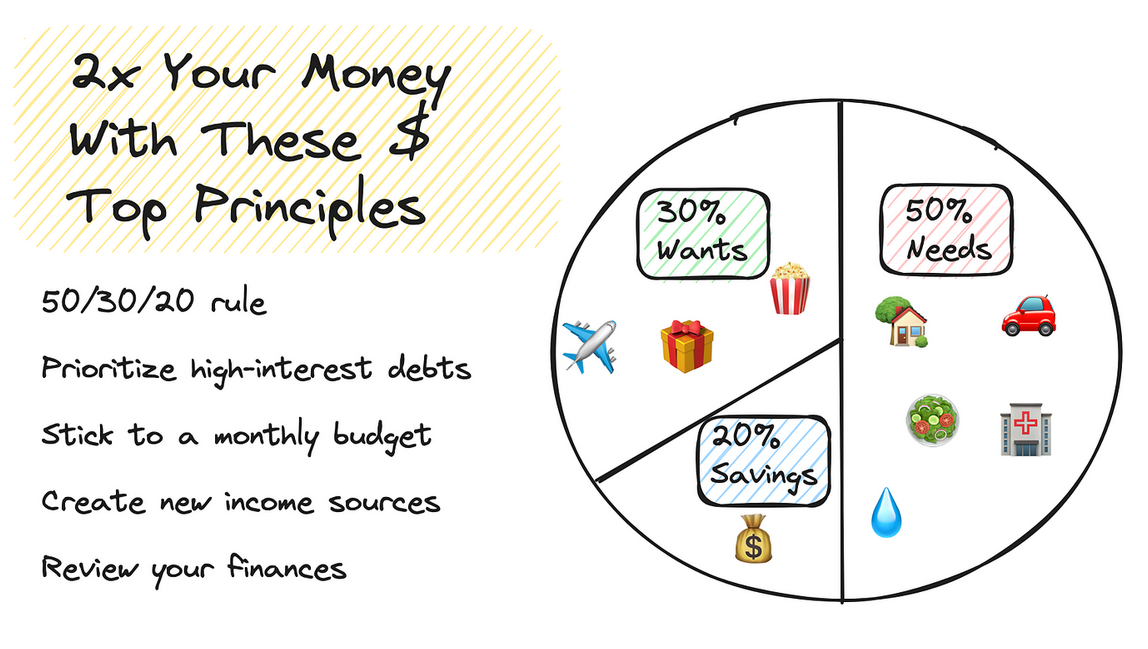
Use the 50/30/20 Rule
A simple budgeting method:
- 50% for needs (housing, food, bills)
- 30% for wants (entertainment, lifestyle)
- 20% for savings and investments
Benefits of Budgeting
- Prevents overspending
- Helps achieve financial goals
- Builds discipline
Use budgeting tools or apps to automate tracking and stay consistent.
3. Build an Emergency Fund
Life is unpredictable. An emergency fund acts as your financial safety net.
How Much Should You Save?
Aim for:
- 3–6 months of living expenses
Where to Keep It
- High-yield savings accounts
- Easily accessible and liquid
Why It Matters
An emergency fund prevents you from relying on debt during unexpected situations like job loss or medical emergencies.
4. Eliminate High-Interest Debt
Debt is one of the biggest obstacles to building wealth, especially high-interest debt like credit cards.
Strategies to Pay Off Debt
- Debt Snowball Method: Pay smallest debts first
- Debt Avalanche Method: Pay highest interest rates first
Tips to Stay Debt-Free
- Avoid unnecessary borrowing
- Pay bills on time
- Use credit responsibly
Reducing debt increases your financial flexibility and frees up money for investments.
5. Start Investing Early
Investing is key to building long-term wealth. The earlier you start, the more you benefit from compound growth.
Why Investing Matters
Money sitting idle loses value due to inflation. Investing allows your money to grow over time.
Common Investment Options
- Stocks
- Bonds
- Mutual funds
- Real estate
- Index funds
Power of Compounding
Even small investments can grow significantly over time due to compound interest.
6. Diversify Your Investments
“Don’t put all your eggs in one basket” is a fundamental principle in finance.
Benefits of Diversification
- Reduces risk
- Protects against market volatility
- Improves long-term returns
How to Diversify
- Invest across different asset classes
- Spread investments across industries
- Consider global markets
A diversified portfolio helps maintain stability even during market downturns.
7. Increase Your Income Streams
Relying on a single source of income can be risky.
Ways to Increase Income
- Freelancing
- Online businesses
- Affiliate marketing
- Investing in dividend-paying assets
Passive Income Ideas
- Rental properties
- Digital products
- Royalties
Multiple income streams accelerate wealth-building and provide financial security.
8. Live Below Your Means
One of the most powerful financial habits is spending less than you earn.
Avoid Lifestyle Inflation
As income increases, resist the urge to increase spending proportionally.
Practice Conscious Spending
- Prioritize value over impulse
- Focus on long-term goals
- Avoid unnecessary luxury purchases
Living below your means allows you to save and invest more.
9. Set Clear Financial Goals
Without goals, it’s difficult to stay motivated and measure progress.
Types of Financial Goals
- Short-term (saving for a vacation)
- Medium-term (buying a car)
- Long-term (retirement planning)
SMART Goals Framework
Make your goals:
- Specific
- Measurable
- Achievable
- Relevant
- Time-bound
Clear goals provide direction and purpose in your financial journey.
10. Protect Your Wealth with Insurance
Insurance is an essential part of financial planning.
Types of Insurance to Consider
- Health insurance
- Life insurance
- Property insurance
- Disability insurance
Why Insurance Matters
It protects your finances from unexpected losses and ensures stability during crises.
11. Plan for Retirement Early
Retirement may seem far away, but starting early gives you a major advantage.
Retirement Planning Tips
- Contribute regularly to retirement accounts
- Take advantage of employer matching (if available)
- Increase contributions over time
Benefits of Early Planning
- More time for investments to grow
- Less financial stress later in life
Consistency is more important than large contributions.
12. Improve Your Financial Literacy
Knowledge is power when it comes to managing money.
Ways to Learn Personal Finance
- Read books and blogs
- Take online courses
- Follow financial experts
Topics to Understand
- Investing basics
- Tax strategies
- Risk management
The more you learn, the better decisions you’ll make.
13. Automate Your Finances
Automation simplifies money management and ensures consistency.
What to Automate
- Savings transfers
- Bill payments
- Investment contributions
Benefits
- Saves time
- Reduces missed payments
- Builds consistent habits
Automation helps you stay disciplined without constant effort.
14. Monitor and Adjust Your Plan
Financial planning is not a one-time task.
Regular Financial Checkups
- Review your budget monthly
- Track investment performance
- Adjust goals as needed
Stay Flexible
Life changes, and your financial strategy should adapt accordingly.
15. Avoid Common Financial Mistakes
Even small mistakes can have long-term consequences.
Common Pitfalls
- Overspending
- Ignoring savings
- Investing without research
- Relying on debt
How to Avoid Them
- Stay disciplined
- Seek advice when needed
- Keep learning
Awareness is the first step toward avoiding costly errors.
16. Build a Strong Financial Mindset
Wealth building is not just about numbers—it’s also about mindset.
Key Habits
- Patience
- Discipline
- Long-term thinking
Stay Consistent
Small, consistent actions over time lead to significant results.
17. Take Advantage of Tax Strategies
Smart tax planning can help you keep more of your money.
Tips to Reduce Taxes
- Use tax-advantaged accounts
- Claim eligible deductions
- Plan investments strategically
Consult a tax professional if necessary to optimize your strategy.
18. Focus on Long-Term Growth
Wealth building is a marathon, not a sprint.
Avoid Get-Rich-Quick Schemes
They often come with high risks and potential losses.
Invest for the Future
Focus on steady, sustainable growth rather than short-term gains.
19. Build Good Credit
A strong credit score opens doors to better financial opportunities.
How to Improve Credit
- Pay bills on time
- Keep credit utilization low
- Avoid excessive credit applications
Good credit can help you secure loans at lower interest rates.
20. Stay Motivated and Consistent
Financial success requires persistence.
Tips to Stay on Track
- Celebrate small wins
- Track progress regularly
- Stay focused on your goals
Consistency is the key to long-term financial stability.
Conclusion
Building wealth and achieving financial stability is a journey that requires careful planning, disciplined execution, and continuous learning. By understanding your financial situation, creating a budget, eliminating debt, investing wisely, and maintaining a long-term mindset, you can take control of your financial future.
Remember, there is no one-size-fits-all approach to personal finance. The best strategy is the one that aligns with your goals, lifestyle, and risk tolerance. Start small, stay consistent, and make smart financial decisions every day.
Over time, these habits will compound—just like your investments—leading you toward lasting wealth and financial freedom.