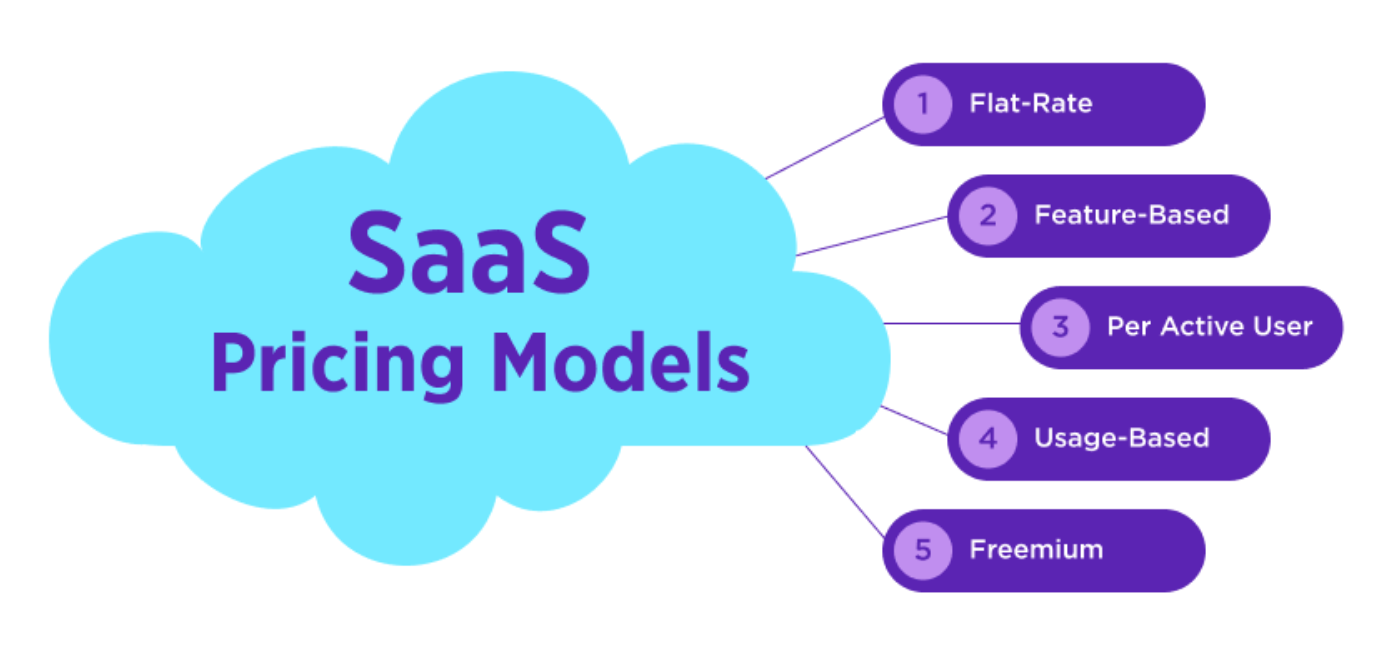
In the rapidly evolving digital economy, Software as a Service (SaaS) has become a dominant business model for delivering software solutions. From startups to enterprise giants, companies rely on SaaS products to streamline operations, enhance productivity, and scale efficiently. However, one of the most critical decisions for any SaaS business is choosing the right pricing model.
Your pricing strategy doesn’t just determine your revenue—it shapes customer perception, influences acquisition and retention, and ultimately defines your competitive advantage. In this comprehensive guide, we’ll explore the most popular SaaS pricing models, their pros and cons, and how to choose the best one for your business.
What Is a SaaS Pricing Model?
A SaaS pricing model is the strategy used by companies to charge customers for access to their software. Unlike traditional software, which often involves a one-time purchase, SaaS products typically operate on recurring revenue models such as monthly or annual subscriptions.
The right pricing model aligns with your product value, customer expectations, and business goals. It should be simple, scalable, and adaptable as your company grows.
Why Pricing Matters in SaaS
Pricing is more than just a number—it’s a powerful growth lever. Here’s why it plays a crucial role:
- Revenue Growth: Determines how much income you generate per user.
- Customer Acquisition: Impacts how attractive your product is to new users.
- Retention: Affects whether customers continue using your service.
- Market Positioning: Communicates your product’s value and target audience.
Choosing the wrong pricing model can limit growth, while the right one can accelerate success.
Common SaaS Pricing Models
Let’s break down the most widely used SaaS pricing models and how they work.
1. Subscription-Based Pricing
This is the most common SaaS pricing model. Customers pay a recurring fee (monthly or annually) to access the software.
How It Works:
Users are charged a fixed fee at regular intervals for continued access.
Advantages:
- Predictable recurring revenue
- Easier financial forecasting
- Encourages long-term customer relationships
Disadvantages:
- Requires consistent value delivery
- Customers may churn if they don’t see ongoing benefits
Best For:
- Products with continuous value (e.g., CRM, project management tools)
2. Freemium Model
The freemium model offers a basic version of the product for free, with premium features available at a cost.
How It Works:
Users can use limited features indefinitely for free and upgrade for advanced functionality.
Advantages:
- Low barrier to entry
- Rapid user acquisition
- Strong viral growth potential
Disadvantages:
- High cost of supporting free users
- Conversion to paid plans can be low
Best For:
- Products with large potential user bases
- Platforms that benefit from network effects
3. Tiered Pricing
Tiered pricing offers multiple pricing levels, each with different features and capabilities.
How It Works:
Customers choose a plan (e.g., Basic, Pro, Enterprise) based on their needs.
Advantages:
- Appeals to a wide range of customers
- Encourages upgrades
- Maximizes revenue per user
Disadvantages:
- Can be confusing if too many tiers
- Requires careful feature segmentation
Best For:
- SaaS products serving different customer segments
4. Usage-Based Pricing (Pay-As-You-Go)
Also known as consumption-based pricing, customers pay based on how much they use the service.
How It Works:
Charges are based on metrics such as API calls, storage, or active users.
Advantages:
- Fair and flexible pricing
- Scales with customer usage
- Attractive to startups and small businesses
Disadvantages:
- Revenue can be unpredictable
- Harder for customers to estimate costs
Best For:
- Infrastructure services (e.g., cloud computing, APIs)
5. Per-User Pricing
Customers are charged based on the number of users accessing the software.
How It Works:
A fixed price is multiplied by the number of users.
Advantages:
- Simple and easy to understand
- Scales with team size
- Encourages team adoption
Disadvantages:
- May discourage adding users
- Can limit growth within organizations
Best For:
- Collaboration tools and team-based platforms
6. Flat-Rate Pricing
A single price provides access to all features of the product.
How It Works:
Customers pay one fixed price regardless of usage or features.
Advantages:
- Simple and transparent
- Easy to market
- No confusion about plans
Disadvantages:
- Limits revenue potential
- Doesn’t cater to different customer needs
Best For:
- Simple products with a clear value proposition
7. Per-Feature Pricing
Customers pay based on the features they want to use.
How It Works:
Different features are priced individually or bundled.
Advantages:
- Highly customizable
- Customers pay only for what they need
Disadvantages:
- Can become complex
- Hard to communicate value
Best For:
- Advanced tools with modular functionality
Factors to Consider When Choosing a SaaS Pricing Model
Selecting the right pricing model requires careful evaluation of several factors.
1. Target Audience
Understand your ideal customers:
- Are they individuals, startups, or enterprises?
- What is their budget?
- How do they perceive value?
For example, startups may prefer usage-based pricing, while enterprises often prefer tiered plans.
2. Product Complexity
Simple products may benefit from flat-rate pricing, while complex platforms often require tiered or feature-based pricing.
3. Value Metric
Your pricing should align with how customers derive value from your product.
Examples of value metrics:
- Number of users
- Data usage
- Transactions processed
- Time saved
Choosing the right metric ensures fairness and scalability.
4. Competitor Pricing
Analyze how competitors price their products. While you shouldn’t copy them directly, understanding market standards helps you stay competitive.
5. Customer Acquisition Cost (CAC)
Your pricing must cover the cost of acquiring customers while still generating profit.
6. Customer Lifetime Value (LTV)
A good pricing model maximizes LTV by encouraging long-term subscriptions and upsells.
Hybrid Pricing Models: The Best of Both Worlds
Many successful SaaS companies use hybrid pricing models that combine multiple strategies.
Examples include:
- Tiered + per-user pricing
- Freemium + usage-based pricing
- Subscription + add-ons
Hybrid models provide flexibility and allow businesses to cater to diverse customer needs.
Real-World Examples of SaaS Pricing Strategies
Understanding how companies implement pricing models can provide valuable insights.
Example 1: Tiered + Per-User
Many collaboration tools use tiered pricing combined with per-user charges. This allows businesses to scale as their teams grow.
Example 2: Freemium + Premium Upgrades
Popular productivity apps often offer free versions with limited features and charge for advanced capabilities.
Example 3: Usage-Based Pricing
Cloud platforms charge customers based on storage, bandwidth, or computing power usage.
Common Pricing Mistakes to Avoid
Even the best products can fail due to poor pricing strategies. Avoid these common mistakes:
1. Underpricing Your Product
Charging too little can:
- Undermine perceived value
- Limit revenue growth
- Attract low-quality customers
2. Overcomplicating Pricing
Too many plans or features can confuse customers and reduce conversions.
3. Ignoring Customer Feedback
Pricing should evolve based on user feedback and market trends.
4. Lack of Transparency
Hidden fees or unclear pricing can damage trust.
5. Not Testing Pricing Models
A/B testing different pricing strategies can help identify what works best.
How to Test and Optimize Your Pricing
Pricing is not a one-time decision—it’s an ongoing process.
1. Conduct Market Research
Understand customer willingness to pay and competitor pricing.
2. Use A/B Testing
Experiment with different pricing structures to see which performs better.
3. Monitor Key Metrics
Track:
- Conversion rates
- Churn rates
- Average revenue per user (ARPU)
4. Gather Customer Feedback
Ask users what they value most and how much they’re willing to pay.
5. Iterate Regularly
Continuously refine your pricing based on data and insights.
Choosing the Right Pricing Model for Your SaaS
There’s no one-size-fits-all answer. The best pricing model depends on your unique business.
Here’s a quick guide:
- If you want predictable revenue: Choose subscription-based pricing
- If you want rapid growth: Use freemium
- If you serve multiple segments: Go with tiered pricing
- If usage varies widely: Consider usage-based pricing
- If collaboration is key: Use per-user pricing
- If simplicity matters: Choose flat-rate pricing
Future Trends in SaaS Pricing
As the SaaS industry evolves, pricing models are becoming more sophisticated.
1. Value-Based Pricing
More companies are pricing based on the value delivered rather than cost or competition.
2. AI-Driven Pricing
Artificial intelligence is being used to optimize pricing dynamically.
3. Personalized Pricing
Customized pricing based on customer behavior and needs is becoming more common.
4. Outcome-Based Pricing
Customers pay based on results achieved rather than usage.
Conclusion
Choosing the right SaaS pricing model is one of the most important decisions you’ll make for your business. It impacts everything from customer acquisition to long-term profitability.
The key is to align your pricing with your product’s value, your target audience, and your growth strategy. Whether you choose subscription-based, freemium, tiered, or a hybrid approach, the goal is to create a pricing structure that is fair, scalable, and sustainable.
Remember, pricing is not static. Continuously test, analyze, and optimize your strategy to stay competitive in the ever-changing SaaS landscape.
By selecting the right pricing model and refining it over time, you can unlock the full potential of your SaaS business and build a strong foundation for recurring revenue growth.