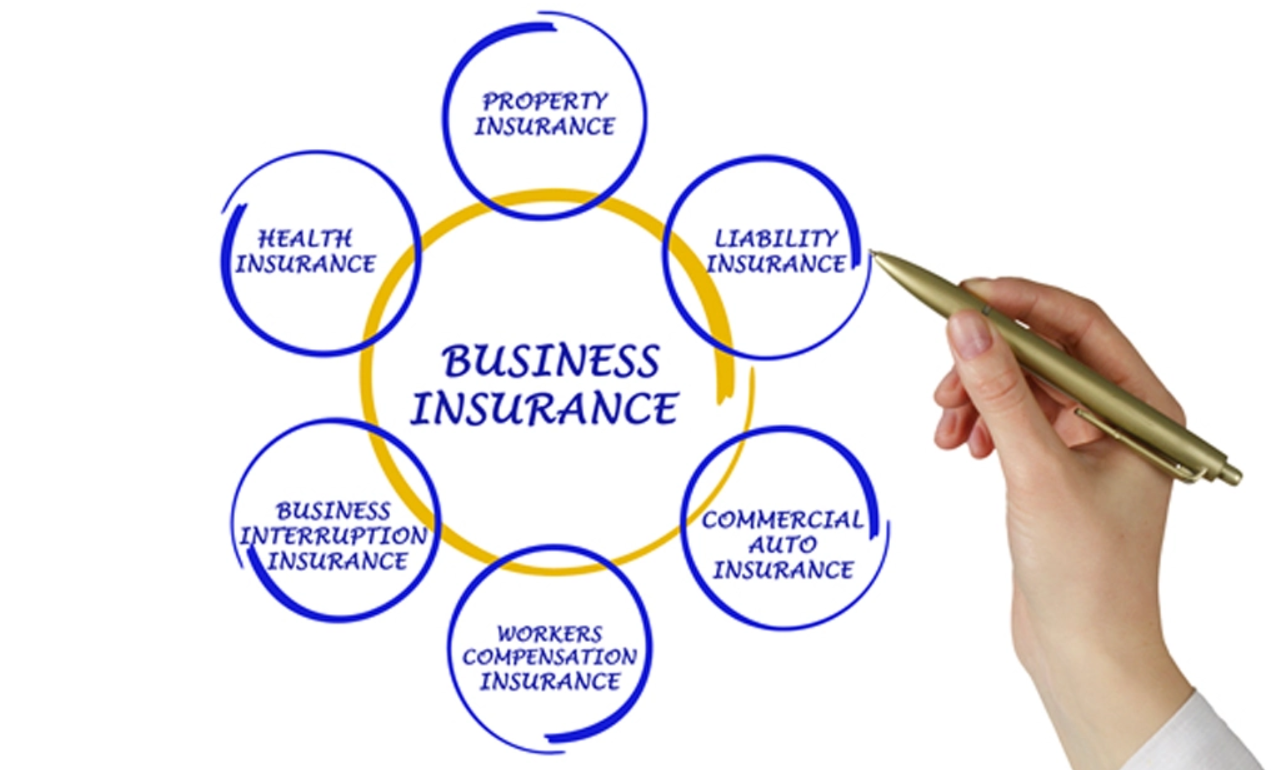
Running a small business is an exciting journey filled with opportunities, innovation, and growth. However, it also comes with a wide range of risks that can threaten your operations, finances, and reputation. From unexpected accidents and lawsuits to natural disasters and cyberattacks, small business owners face challenges that can arise at any time.
This is where business insurance becomes not just helpful—but essential. In today’s unpredictable business environment, having the right insurance coverage can mean the difference between surviving a crisis and closing your doors permanently.
In this comprehensive guide, we’ll explore why business insurance is critical for small business owners, the types of coverage available, and how it protects your company’s future.
Understanding Business Insurance
Business insurance is a broad term that refers to various types of coverage designed to protect businesses from financial losses. These losses can result from property damage, legal claims, employee-related risks, or operational interruptions.
Unlike personal insurance, business insurance policies are tailored to address the unique risks associated with running a company. Whether you operate a small retail shop, an online business, or a service-based company, insurance provides a safety net that helps you recover quickly from setbacks.
The Importance of Business Insurance for Small Businesses
1. Protection Against Financial Loss
One of the most important reasons to have business insurance is to protect your company from financial losses. Unexpected events such as fires, theft, or lawsuits can result in significant expenses.
For example, imagine a customer slips and falls in your store. Without insurance, you could be responsible for medical bills, legal fees, and compensation. These costs can quickly add up and potentially bankrupt a small business.
Insurance ensures that you are not paying these expenses out of pocket, allowing your business to stay financially stable even during difficult times.
2. Legal Compliance and Requirements
In many countries and regions, certain types of business insurance are legally required. For instance, if you have employees, you may be required to carry workers’ compensation insurance.
Failing to comply with these regulations can lead to fines, penalties, or even the suspension of your business operations. By having the necessary insurance coverage, you not only protect your business but also ensure compliance with local laws.
3. Protection Against Lawsuits
Lawsuits are one of the biggest risks for small businesses. Even if you believe your business operates ethically and responsibly, you can still be sued for various reasons, including:
- Customer injuries
- Property damage
- Product defects
- Professional errors
Legal defense costs alone can be overwhelming, even if you win the case. Business insurance, particularly liability insurance, covers legal fees, settlements, and judgments, helping you avoid devastating financial consequences.
4. Safeguarding Business Assets
Your business likely relies on physical assets such as equipment, inventory, furniture, and office space. These assets are essential for daily operations.
If a fire, flood, or theft damages your property, replacing these items can be costly. Property insurance helps cover repair or replacement costs, ensuring your business can continue operating with minimal disruption.
5. Business Continuity and Disaster Recovery
Unexpected events can force your business to temporarily shut down. Whether it’s due to natural disasters, equipment failure, or other emergencies, downtime can result in lost income.
Business interruption insurance helps cover lost revenue and ongoing expenses such as rent and payroll during these periods. This ensures that your business can survive temporary closures and recover more quickly.
6. Building Credibility and Trust
Having business insurance enhances your credibility with customers, partners, and investors. It shows that you are a responsible business owner who is prepared for risks.
Many clients and organizations prefer to work with insured businesses because it reduces their own risk. In some cases, contracts may even require proof of insurance before work can begin.
7. Employee Protection and Satisfaction
Your employees are one of your most valuable assets. Providing them with protection through insurance not only ensures their safety but also boosts morale and trust.
Workers’ compensation insurance covers medical expenses and lost wages if an employee is injured on the job. This demonstrates that you care about your team’s well-being and helps create a positive work environment.
8. Protection Against Cyber Threats
In the digital age, cyber threats are becoming increasingly common. Small businesses are often targeted because they may lack advanced security measures.
Cyber insurance helps protect your business from data breaches, hacking incidents, and other cyber-related risks. It can cover costs such as:
- Data recovery
- Legal fees
- Customer notification
- Reputation management
This type of coverage is especially important for businesses that handle sensitive customer information.
Types of Business Insurance Coverage
Understanding the different types of business insurance can help you choose the right policies for your needs.
1. General Liability Insurance
This is one of the most common types of business insurance. It covers:
- Bodily injury
- Property damage
- Advertising injury
General liability insurance is essential for businesses that interact with customers or operate in physical locations.
2. Property Insurance
Property insurance protects your business assets, including buildings, equipment, and inventory. It covers damage caused by events such as fire, theft, and certain natural disasters.
3. Workers’ Compensation Insurance
If you have employees, this coverage is often mandatory. It provides benefits to employees who are injured or become ill due to work-related activities.
4. Professional Liability Insurance
Also known as errors and omissions (E&O) insurance, this coverage is crucial for service-based businesses. It protects against claims of negligence, mistakes, or failure to deliver services as promised.
5. Business Interruption Insurance
This policy helps replace lost income and covers operating expenses if your business is temporarily unable to operate due to a covered event.
6. Cyber Liability Insurance
As mentioned earlier, this insurance protects your business from cyber risks and data breaches.
7. Commercial Auto Insurance
If your business uses vehicles for operations, this coverage protects against accidents, damage, and liability related to those vehicles.
Risks of Not Having Business Insurance
Operating without insurance can expose your business to serious risks, including:
Financial Ruin
A single lawsuit or disaster can wipe out your savings and force your business to close permanently.
Legal Consequences
Failure to carry required insurance can result in fines, penalties, or legal action.
Loss of Reputation
Without insurance, you may struggle to gain the trust of customers and partners.
Operational Disruptions
Unexpected events can halt your operations, leading to lost revenue and customer dissatisfaction.
How to Choose the Right Business Insurance
Selecting the right insurance coverage requires careful consideration of your business needs.
Assess Your Risks
Identify potential risks based on your industry, location, and operations.
Compare Policies
Different insurers offer varying coverage options and pricing. Take the time to compare policies to find the best fit.
Work with an Insurance Advisor
An experienced advisor can help you understand your options and choose the right coverage.
Review Regularly
As your business grows, your insurance needs may change. Regularly review your policies to ensure adequate protection.
Cost of Business Insurance
The cost of business insurance varies depending on factors such as:
- Industry type
- Business size
- Location
- Coverage limits
- Risk level
While insurance may seem like an additional expense, it is a worthwhile investment that protects your business from potentially catastrophic losses.
Real-Life Example: The Impact of Insurance
Consider a small café that experiences a kitchen fire. Without insurance, the owner must pay for repairs, equipment replacement, and lost income during closure.
With insurance, these costs are covered, allowing the business to reopen quickly and continue serving customers.
This example highlights how insurance can make a significant difference in a business’s ability to recover from unexpected events.
The Long-Term Benefits of Business Insurance
Investing in business insurance provides long-term advantages, including:
- Financial stability
- Peace of mind
- Business growth opportunities
- Stronger relationships with clients and partners
With proper coverage, you can focus on growing your business without constantly worrying about potential risks.
Conclusion
Business insurance is not just an optional expense—it is a critical component of a successful business strategy. For small business owners, it provides essential protection against financial losses, legal issues, and unexpected disruptions.
In an increasingly unpredictable world, having the right insurance coverage ensures that your business can withstand challenges and continue to thrive. By investing in business insurance, you are safeguarding not only your company’s assets but also its future.
If you’re serious about building a resilient and sustainable business, securing the right insurance coverage is one of the smartest decisions you can make.