Understanding the difference between general liability insurance and professional liability insurance is essential for any business owner, freelancer, or entrepreneur. These two types of insurance serve distinct purposes, yet many people confuse them or assume they offer overlapping protection. In reality, each policy addresses different risks, and having the right coverage can mean the difference between financial security and costly legal exposure.
In this comprehensive guide, we’ll break down everything you need to know about general liability vs professional liability insurance—what they cover, how they differ, who needs them, and how to choose the right policy for your business.
What Is General Liability Insurance?
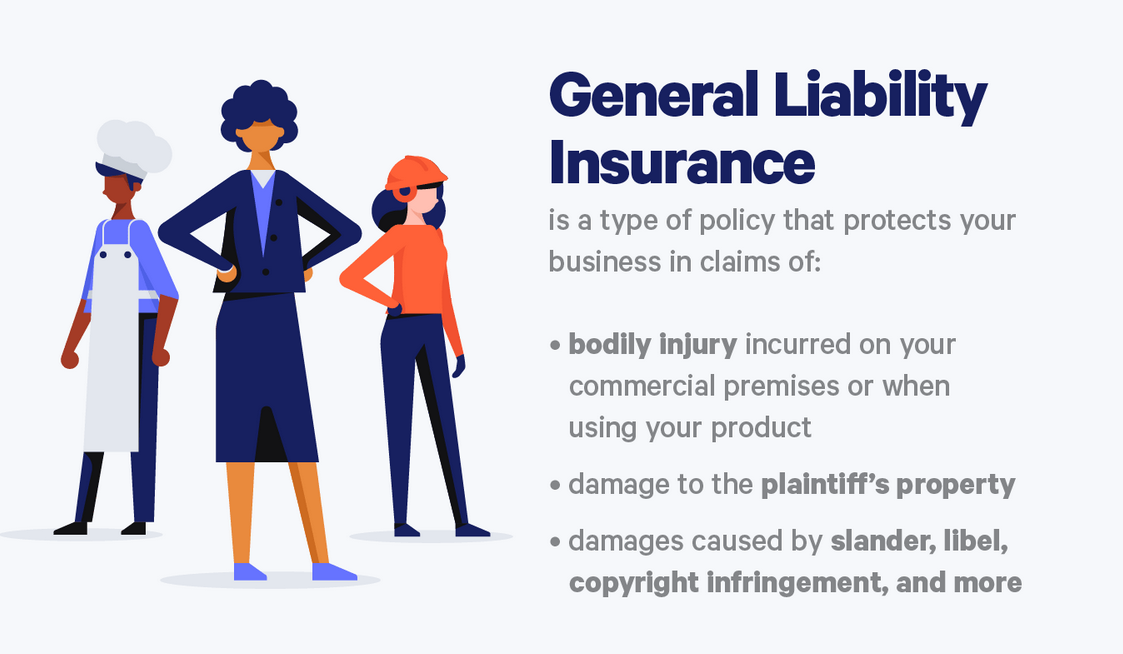
General liability insurance (GLI), also known as commercial general liability insurance, protects businesses from claims involving bodily injury, property damage, and personal or advertising injury.
Key Coverage Areas
General liability insurance typically covers:
- Bodily Injury: If a customer slips and falls on your premises
- Property Damage: If you accidentally damage a client’s property
- Personal Injury: Claims such as defamation or slander
- Advertising Injury: Issues related to marketing, like copyright infringement
Example Scenario
Imagine you own a retail store. A customer walks in, slips on a wet floor, and gets injured. They sue your business for medical expenses and damages. General liability insurance would cover legal fees, settlements, and medical costs.
Who Needs General Liability Insurance?
This type of insurance is essential for:
- Retail stores
- Restaurants
- Contractors
- Event organizers
- Small and medium-sized businesses
If your business interacts with customers physically or operates in a physical location, general liability insurance is crucial.
What Is Professional Liability Insurance?
Professional liability insurance (PLI), also known as errors and omissions (E&O) insurance, protects businesses and individuals against claims of negligence, mistakes, or failure to deliver services as promised.
Key Coverage Areas
Professional liability insurance typically covers:
- Negligence: Failure to provide the expected standard of service
- Errors and Omissions: Mistakes in your work
- Misrepresentation: Providing incorrect advice or information
- Breach of Contract: Failure to meet contractual obligations
Example Scenario
Suppose you are a web developer who builds a website for a client. Due to an error in your code, the site crashes during a major sales event, causing financial loss. The client sues you for damages. Professional liability insurance would cover legal defense costs and potential settlements.
Who Needs Professional Liability Insurance?
This insurance is vital for:
- Consultants
- Lawyers
- Accountants
- IT professionals
- Marketing agencies
- Freelancers and service providers
If your business provides advice, expertise, or professional services, this coverage is essential.
Key Differences Between General Liability and Professional Liability Insurance
While both policies protect against lawsuits, they address completely different types of risks.
1. Type of Risk Covered
- General Liability: Physical risks (injuries, property damage)
- Professional Liability: Financial risks due to errors or negligence
2. Nature of Claims
- General Liability: Accidents and incidents
- Professional Liability: Mistakes, omissions, or poor performance
3. Who Files Claims
- General Liability: Customers, visitors, or third parties
- Professional Liability: Clients who received your services
4. Coverage Trigger
- General Liability: Triggered by physical events
- Professional Liability: Triggered by professional mistakes or unmet expectations
Why You Might Need Both Types of Insurance
Many businesses assume they only need one type of insurance, but in reality, having both can provide comprehensive protection.
Example: Marketing Agency
A marketing agency could face:
- A client suing for poor campaign results (professional liability)
- A visitor slipping in their office (general liability)
Without both policies, the business would be exposed to significant financial risks.
Example: IT Consultant
An IT consultant might:
- Accidentally delete critical client data (professional liability)
- Spill coffee on a client’s expensive equipment (general liability)
Both situations require different types of coverage.
Cost Comparison
The cost of insurance varies depending on several factors, including industry, business size, and risk exposure.
General Liability Insurance Costs
- Typically ranges from $300 to $1,500 per year for small businesses
- Higher risk industries (e.g., construction) pay more
Professional Liability Insurance Costs
- Usually ranges from $500 to $2,500 per year
- Costs depend heavily on the nature of services provided
Factors That Influence Pricing
- Business size and revenue
- Industry risk level
- Claims history
- Coverage limits and deductibles
- Location
Coverage Limits and Deductibles
Both types of insurance policies include:
- Coverage Limits: Maximum amount the insurer will pay
- Deductibles: Amount you pay out-of-pocket before coverage kicks in
Typical Limits
- $1 million per occurrence
- $2 million aggregate
Higher limits may be necessary for businesses with greater risk exposure.
Claims-Made vs Occurrence Policies
Understanding how policies are triggered is important, especially for professional liability insurance.
Occurrence Policies (General Liability)
- Covers incidents that occur during the policy period
- Even if the claim is filed later
Claims-Made Policies (Professional Liability)
- Covers claims made during the policy period
- Requires continuous coverage to remain protected
Common Misconceptions
“General Liability Covers Everything”
Many business owners believe general liability insurance covers all types of risks. This is false. It does not cover professional mistakes or negligence.
“I Don’t Need Insurance as a Freelancer”
Freelancers are just as vulnerable to lawsuits as large companies. A single mistake can lead to costly legal action.
“Professional Liability Is Only for Large Firms”
Even solo professionals can face claims of negligence or errors.
Industry-Specific Considerations
Healthcare
Professionals in healthcare require specialized professional liability insurance, often called malpractice insurance.
Construction
Contractors need general liability insurance for physical risks, but may also need professional liability for design or consulting work.
Technology
Tech companies often need both policies due to:
- Software errors (professional liability)
- Hardware damage or accidents (general liability)
How to Choose the Right Policy
Choosing the right insurance depends on your business model and risk exposure.
Step 1: Assess Your Risks
Ask yourself:
- Do I interact with clients physically?
- Do I provide advice or services?
- Could my work cause financial loss to a client?
Step 2: Evaluate Industry Requirements
Some industries require specific types of insurance to operate legally or secure contracts.
Step 3: Compare Policies
Look for:
- Coverage limits
- Exclusions
- Premium costs
- Insurer reputation
Step 4: Consider Bundling
Many insurers offer bundled packages, such as a Business Owner’s Policy (BOP), which includes general liability and property insurance.
Real-World Case Studies
Case Study 1: Retail Store Incident
A customer slips and breaks their arm in a clothing store. The business faces a lawsuit for medical expenses and damages. General liability insurance covers the claim.
Case Study 2: Consultant Error
A financial consultant provides incorrect advice, leading to significant client losses. The client sues for negligence. Professional liability insurance handles the legal costs and settlement.
Case Study 3: Dual Coverage Scenario
A design agency faces two separate issues:
- A client sues for missed deadlines (professional liability)
- A delivery person gets injured in the office (general liability)
Having both policies ensures full protection.
Benefits of Having Both Policies
- Comprehensive Protection: Covers both physical and professional risks
- Client Confidence: Builds trust with clients and partners
- Contract Compliance: Meets contractual insurance requirements
- Financial Security: Reduces out-of-pocket expenses during lawsuits
When You Can Skip One (Rare Cases)
In some cases, you might not need both types of insurance:
- Online-only businesses: May not need general liability if no physical interaction
- Product-based businesses: May not need professional liability if no services are offered
However, these situations are rare, and most businesses benefit from both policies.
Tips to Reduce Insurance Costs
- Bundle policies
- Increase deductibles
- Maintain a clean claims history
- Implement risk management practices
- Shop around for competitive quotes
Final Thoughts
Understanding the difference between general liability vs professional liability insurance is critical for protecting your business from unexpected risks. While general liability insurance focuses on physical incidents and third-party injuries, professional liability insurance safeguards against errors, negligence, and service-related claims.
In today’s business environment, where lawsuits can arise from both physical accidents and professional mistakes, relying on just one type of coverage is often not enough. By investing in both policies, you create a strong safety net that allows your business to operate with confidence and resilience.
Whether you’re a small business owner, freelancer, or growing enterprise, the right insurance strategy is not just a legal safeguard—it’s a smart investment in your long-term success.