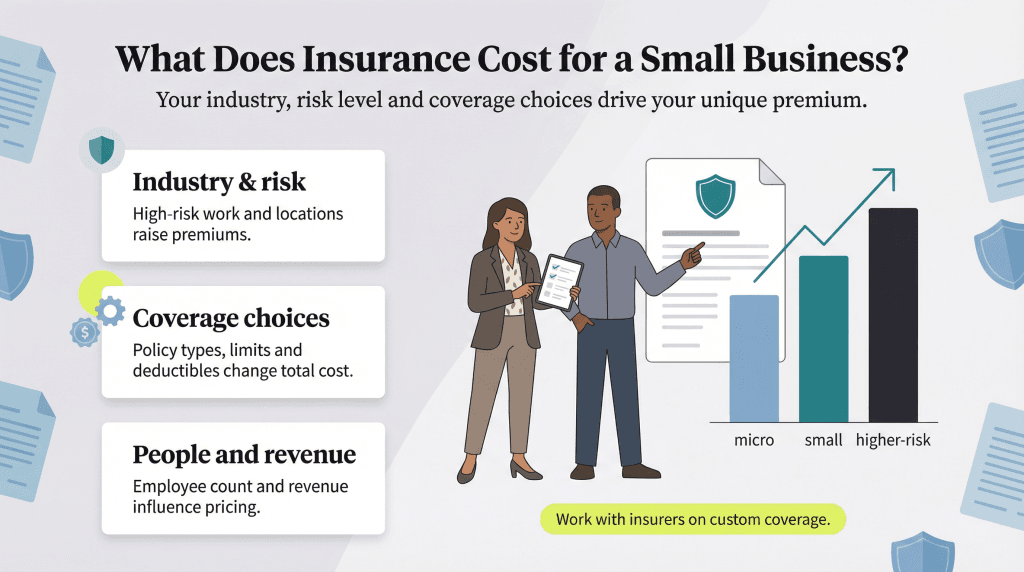
Understanding business insurance costs is essential for every entrepreneur, whether you’re running a small startup or managing a large corporation. Insurance is not just a legal requirement in many cases—it’s a critical safety net that protects your business from unexpected financial losses. However, one of the most common questions business owners ask is: “Why are my insurance premiums so high?” or “What factors determine how much I pay?”
In this comprehensive guide, we’ll break down everything you need to know about business insurance costs and the key factors that influence your premiums. By the end of this article, you’ll have a clearer understanding of how insurers calculate risk and how you can potentially lower your costs.
What Is Business Insurance?
Business insurance is a broad term that encompasses various types of coverage designed to protect companies from financial risks. These risks can include property damage, legal liability, employee-related risks, and more.
Common types of business insurance include:
- General Liability Insurance
- Property Insurance
- Workers’ Compensation Insurance
- Professional Liability Insurance
- Business Interruption Insurance
- Cyber Liability Insurance
Each of these policies comes with its own pricing structure, but the underlying principle remains the same: the higher the risk, the higher the premium.
How Insurance Premiums Are Calculated
Insurance providers use complex algorithms and underwriting processes to determine how much you should pay. They assess the likelihood of a claim being filed and the potential cost of that claim.
Premiums are typically based on:
- Risk exposure
- Industry data
- Historical claims
- Business-specific details
Understanding these factors can help you make smarter decisions when choosing coverage.
Key Factors That Influence Business Insurance Costs
1. Type of Industry
One of the most significant factors affecting your insurance premium is your industry.
High-risk industries such as construction, manufacturing, or transportation typically face higher premiums because:
- There’s a greater chance of accidents
- Equipment is expensive
- Liability risks are higher
On the other hand, low-risk industries like consulting or digital marketing generally pay less because they have fewer physical risks.
Example:
A construction company will pay significantly more for liability insurance than a freelance graphic designer.
2. Business Size and Revenue
The size of your business directly impacts your insurance costs.
Factors include:
- Number of employees
- Annual revenue
- Number of locations
Larger businesses tend to have:
- More assets to protect
- Higher liability exposure
- Increased chances of claims
As a result, insurers charge higher premiums to cover these risks.
3. Location of Your Business
Where your business operates plays a major role in determining your insurance premium.
Key location-based risks include:
- Crime rates
- Natural disasters (floods, earthquakes, hurricanes)
- Local laws and regulations
For example:
- A business in a flood-prone area may pay higher property insurance premiums
- Companies in high-crime areas may face increased theft-related coverage costs
Even within the same country, premiums can vary significantly based on region.
4. Coverage Type and Limits
The more coverage you need, the more you’ll pay.
Key elements include:
- Policy limits (maximum payout)
- Deductibles (amount you pay before insurance kicks in)
- Additional endorsements or riders
Higher limits = Higher premiums
Lower deductibles = Higher premiums
If you opt for comprehensive coverage with low deductibles, your monthly or annual premium will naturally increase.
5. Claims History
Your past claims history is one of the strongest indicators insurers use to assess risk.
If your business has:
- Frequent claims
- High-cost claims
Insurers may see you as a high-risk client and increase your premiums.
Conversely, a clean claims history can help you qualify for discounts and better rates.
6. Business Assets and Equipment
The value of your business assets significantly affects your insurance cost.
This includes:
- Buildings
- Machinery
- Inventory
- Technology
Higher-value assets require more coverage, which leads to higher premiums.
For example, a manufacturing company with expensive machinery will pay more than a small office with basic equipment.
7. Number of Employees
If you have employees, your insurance costs will increase—especially for policies like workers’ compensation.
Factors include:
- Employee count
- Job roles
- Workplace risk levels
High-risk jobs (e.g., construction workers) will cost more to insure than low-risk roles (e.g., office staff).
8. Level of Risk Exposure
Risk exposure refers to how likely your business is to face a loss.
Examples of high-risk exposure include:
- Handling hazardous materials
- Operating heavy machinery
- Storing sensitive customer data
The greater the exposure, the higher your premium.
9. Safety Measures and Risk Management
Insurance companies reward businesses that actively reduce risk.
Examples of risk management strategies:
- Installing security systems
- Implementing workplace safety programs
- Providing employee training
- Using fire prevention systems
These measures can lead to lower premiums because they reduce the likelihood of claims.
10. Type of Coverage Bundle
Many insurers offer discounts when you bundle multiple policies together.
For example:
- Business Owner’s Policy (BOP) combines general liability and property insurance
Bundling can:
- Simplify policy management
- Reduce overall costs
This is a popular option for small to medium-sized businesses.
11. Deductibles
Your deductible is the amount you agree to pay out-of-pocket before your insurance coverage kicks in.
- Higher deductible → Lower premium
- Lower deductible → Higher premium
Choosing the right deductible depends on your financial situation and risk tolerance.
12. Business Age and Experience
Established businesses often benefit from lower premiums because they have:
- Proven track records
- Stable operations
- Lower perceived risk
New businesses may face higher premiums due to uncertainty and lack of historical data.
13. Credit Score (in Some Regions)
In certain countries, insurers may consider your business or personal credit score.
A strong credit score suggests:
- Financial responsibility
- Lower risk
This can result in lower premiums.
14. Policy Customization
Customized policies with additional coverage options can increase your premium.
Examples include:
- Cybersecurity coverage
- Professional liability extensions
- Equipment breakdown coverage
While these add-ons increase costs, they also provide better protection.
How to Lower Your Business Insurance Premiums
Now that you understand what influences your premiums, let’s explore practical ways to reduce costs.
1. Shop Around and Compare Quotes
Different insurers offer different pricing models. Always compare multiple quotes before making a decision.
2. Bundle Your Policies
Combining multiple coverages into one package can lead to significant discounts.
3. Increase Your Deductible
If you can afford higher out-of-pocket costs, increasing your deductible can lower your premium.
4. Improve Workplace Safety
Investing in safety measures can reduce risk and earn you discounts.
5. Maintain a Clean Claims History
Avoid filing small claims unnecessarily. This helps keep your claims record clean.
6. Review Your Coverage Regularly
As your business grows, your insurance needs may change. Regular reviews ensure you’re not overpaying for unnecessary coverage.
7. Implement Risk Management Strategies
Developing a strong risk management plan can significantly reduce your premiums.
8. Work With an Insurance Broker
A professional broker can help you find the best policies tailored to your needs and budget.
Common Mistakes That Increase Insurance Costs
Avoid these common pitfalls:
- Underinsuring or overinsuring your business
- Ignoring policy exclusions
- Failing to update your policy as your business grows
- Choosing the cheapest option without proper coverage
These mistakes can lead to higher long-term costs or insufficient protection.
Why Understanding Insurance Costs Matters
Business insurance is not just an expense—it’s an investment in your company’s future.
By understanding what influences your premiums, you can:
- Make informed decisions
- Optimize your coverage
- Reduce unnecessary costs
- Protect your business effectively
Final Thoughts
Business insurance costs are influenced by a wide range of factors, from your industry and location to your claims history and risk management practices. While some factors are beyond your control, many can be managed with strategic planning and smart decision-making.
The key takeaway is simple: the more you understand your risk profile, the better you can control your insurance costs.
By taking proactive steps—such as improving safety, bundling policies, and regularly reviewing your coverage—you can ensure that you’re getting the best value for your investment while keeping your business protected.